
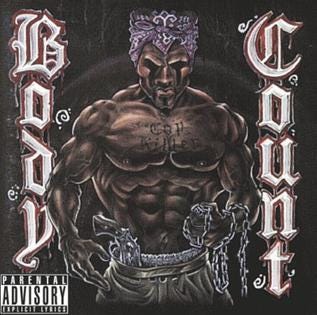
Cop Killer
Body Count's in the House

Dear Gen Xer,
Body Count was released on March 30, 1992.
It’s a protest record. An angry record. You won’t find answers or compassion here.
You will find venom and dark humor, unleashed in equal measure on racist parents, the K.K.K., and police brutality.
It begins with Ice-T dedicating the record to the LAPD. The same LAPD who’d been terrorizing African Americans for decades. Who’d been caught on tape the year before beating the shit out of Rodney King.
On April 29, 1992, one month after Body Count’s release, a jury found Laurence Powell, Theodore Briseno, Timothy Wind, and Stacey Koon - the officers appearing on that tape - not guilty of assault and excessive force.
Riots broke out across Los Angeles. The chaos lasted six whole days, resulting in the deaths of sixty-three people and causing close to $1 billion in damages.
Order was eventually restored and a semblance of healing began. But tensions continued running high. Violence threatened to erupt at any moment. The cops were under scrutiny and they didn’t like it.
Enter policeman Glenn White, who published an article a month after the riots called “New Rap Song Encourages Killing Police Officers”.
The song in question was Cop Killer, the opening track on Body Count. It’s about a young black man who takes justice into his own hands after his friends are murdered by police.
Included in White’s article was the address of Warner Bros. Records President Lenny Waronker, as well as a call to boycott the album and Time Warner products.
White’s article was picked up by a paper in Corpus Christi.
That caught the attention of CLEAT: a coalition of law enforcement agencies in Texas.
CLEAT arranged a press conference at the Six Flags in Arlington, which was owned by Time Warner. They demanded apologies from Ice-T and Time Warner for recording and releasing Cop Killer. They also requested the song be removed from the album and that a donation be made to local community services. CLEAT threatened to divest their pensions from Time Warner stock if their wishes weren’t met.
CLEAT’s demands went viral and Time Warner’s phones began ringing off the hook.
Bomb threats. Death threats. Hundreds of them aimed at Body Count and everyone involved.
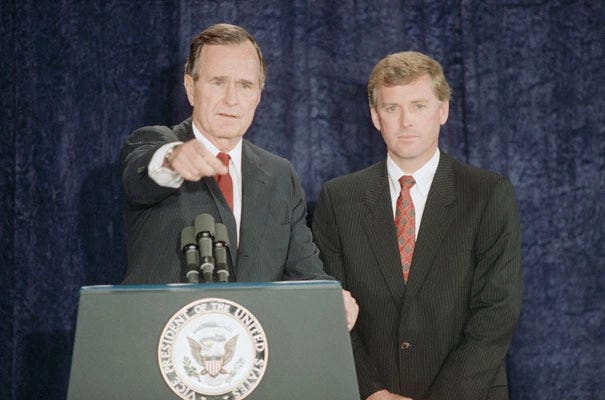
Ice-T was playing Tecmo Bowl when a friend called him up and told him to turn on the television. He thought he was tripping when he saw Vice President Dan Quayle voicing his anger over Cop Killer.
President Bush joined the disdain. As did Charlton Heston, who protested the album by reciting the lyrics from Cop Killer and K.K.K. Bitch at Time Warner’s annual shareholders meeting.
1,500 stores, in a show of solidarity with the president and police, pulled Body Count from their shelves.
All this outrage, and yet Ice-Ts concept was hardly new. There were plenty of artists with songs that painted unflattering portraits of the police.
Besides:
there was already a movie called Copkiller
there was already a book called Cop Killer
there was already a band called Millions of Dead Cops
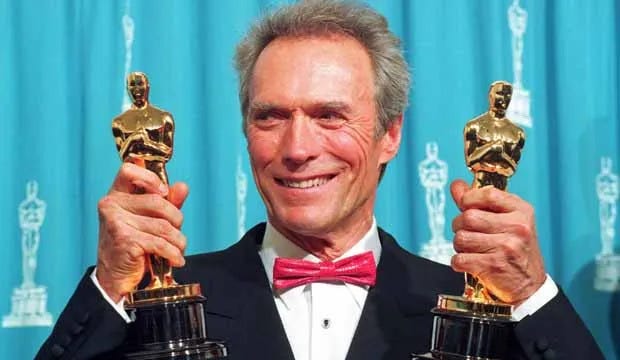
Also worth mentioning is that none of the people who were offended by Cop Killer seemed to have a problem with Clint Eastwood or Unforgiven. His film was one of the year’s biggest draws at the box office. It follows Clint Eastwood’s character as he takes justice into his own hands and avenges the unjust murder of his partner by killing – you guessed it – a cop (a sheriff, actually, but still).
Eastwood and his cop killing tale were the toast of cinema in 1992. He and Unforgiven would go on to win Oscars the following year for Best Director and Picture.
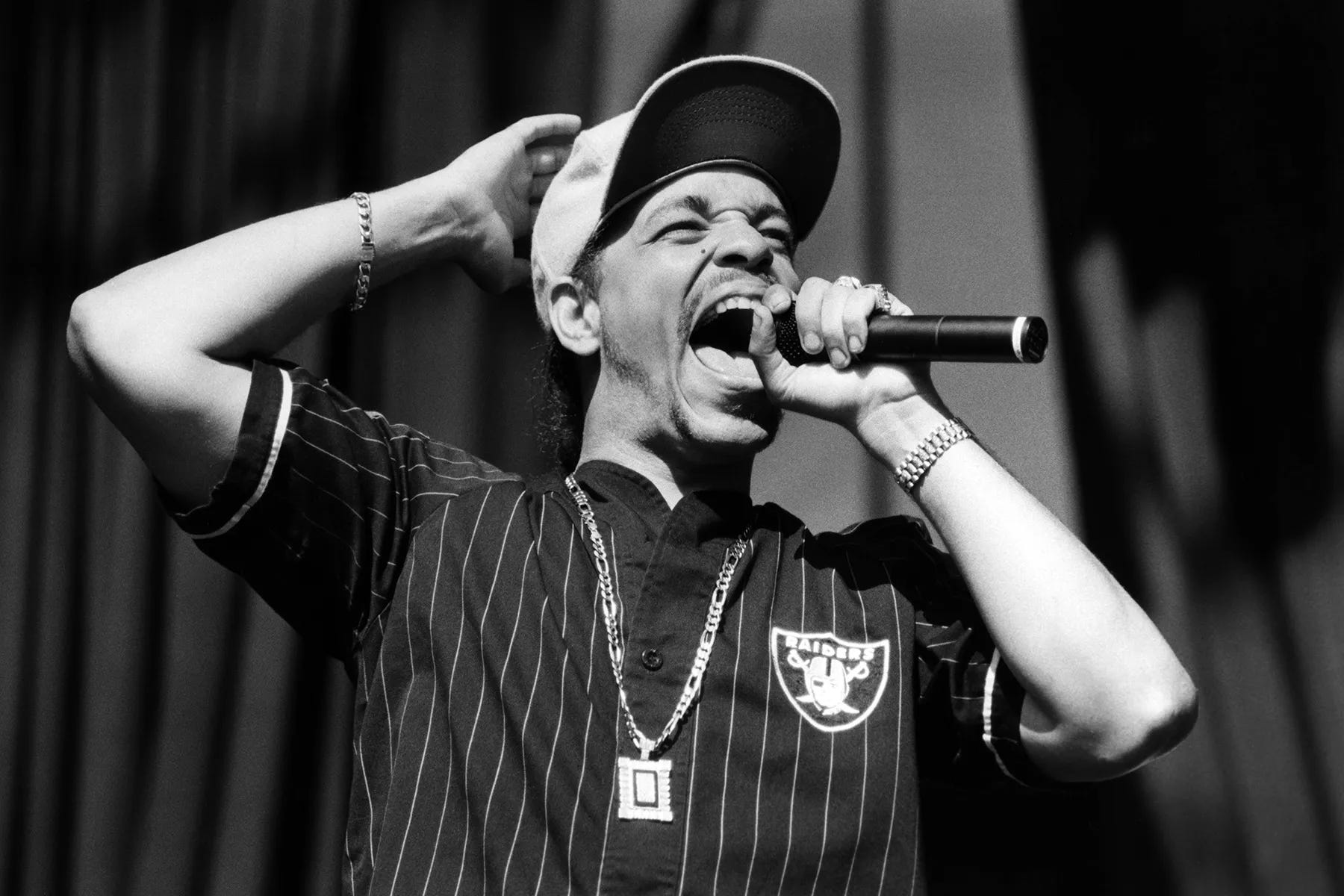
Ice-T addressed the Cop Killer controversy on June 18, 1992.
“I’m singing in the first person as a character who is fed up with police brutality. I ain’t never killed no cop. I felt like it a lot of times. But I never did it. If you believe that I’m a cop killer, you believe David Bowie is an astronaut.” - Ice: A Memoir of Gangster Life and Redemption—from South Central to Hollywood
The furor over Cop Killer resulted in a boon for Body Count. Sales surged across America, tripling in Texas where the troubles began.
Undeterred by the album’s success, 60 congressmen (57 Republicans and 3 Democrats) sent a letter to Time Warner expressing “our deep sense of outrage over the vile and despicable record.”
Alabama governor Guy Hunt called for a statewide ban on the album.
New York governor Mario Cuomo called Body Count “ugly, destructive and disgusting.”
Senators Alphonse D’Amato [R-NY], Lloyd Bentsen [D-TX], and Daniel Patrick Moynihan [D-NY] cancelled their appearances in the movie Dave, a political comedy produced by Warner Bros.
President George H. W. Bush, speaking to the New York Drug Enforcement Administration, declared: “I stand against those who use films, or records, or television, or video games to glorify killing law enforcement officers. It is sick.”
It was the first time that a sitting president publicly condemned a music industry artist, and it emboldened police departments across the country.
The FBI added Ice-T to the National Threat list.
The IRS audited his taxes. Twice.
His 15-year-old daughter was pulled out of school and asked if her father was involved with any paramilitary organizations.
“The minute the president says your name, the most serious background check of your life happens. He wants a dossier.” – Ice-T
Warner Bros. was home to the day’s edgiest artists, including Prince, Madonna, Slayer, and the Geto Boys.
They stood by Ice-T despite the increasing pressure and risks, and ran an editorial in the Wall Street Journal titled Why We Won’t Withdraw ‘Cop Killer’. It was penned by then Time Warner President Gerald Levin who referred to the song as “a shout of pain and protest” that “shares a long history with rock and other forms of urban music” and had “been distorted by politicians on both sides of the aisle into a straw man.”
As supportive as Warner Bros. and Time Warner were, Ice-T decided to remove Cop Killer from the album. He knew the music division had his back, but he was also aware that their purse strings were controlled by the folks up in corporate. And corporate was growing tired of being pestered by politicians and chiefs of police.
There was also the fact that Ice-T had a new album coming out. His forthcoming rap effort Home Invasion had lyrics on it that were just as inflammatory as those in Cop Killer. Time Warner would release the album, but Ice-T guessed they’d do little to promote it, preferring instead to avoid further controversy and let the album slip between the cracks.
So Ice-T dropped Cop Killer to alleviate pressure on his label. In turn, he made a deal that released him from his contract.
He took Home Invasion to Priority Records. It went gold in America and the UK.
The decision to pull Cop Killer and leave Time Warner helped to mollify the cops and politicians.
The controversy that had plagued Ice-T through 1992 finally began to wane.
He escaped the fury over Cop Killer relatively unscathed, as evidenced by the over 20 million albums he’s managed to sell to date.
Ice-T has also found success in Hollywood, appearing in movies like Breakin’, New Jack City, CB4, and Tank Girl.
His most iconic role, however, is that of Detective ‘Fin’ Tutuola in Law & Order: Special Victims Unit. Ice-T, the Cop Killer himself, has been playing one on television for 26 years.
He’s continued making records with Body Count as well, the latest one being Merciless, which came out in 2024.
Body Count still performs Cop Killer whenever they go on tour.
They tweaked the title recently, though.
Now it’s called ICE Killer.
I realy like this peice because it does more than retell the controversy. It reconstructs the atmosphere around it and makes clear how quickly a protest song became a political weapon in other people’s hands.
What I especially like is that you keep the focus on context. Without Rodney King, the acquittals, and the long history of LAPD brutality, the whole story gets flattened into the usual free-speech food fight. You avoid that. You make clear that the anger in “Cop Killer” did not emerge from nowhere, which is exactly the point too many people wanted to ignore at the time.
The double-standard argument is strong as well. The comparison with mainstream screen violence helps show that this was never just about violent content. It was about who was speaking, from what position, and who felt threatened by that speech.
Strong piece on a still-misunderstood flashpoint, and a good reminder of how fast cultural panic can turn into institutional intimidation.
Good point about Unforgiven. It’s a great album beyond CK. Nicely done here, good read.